
What the warehouses are for
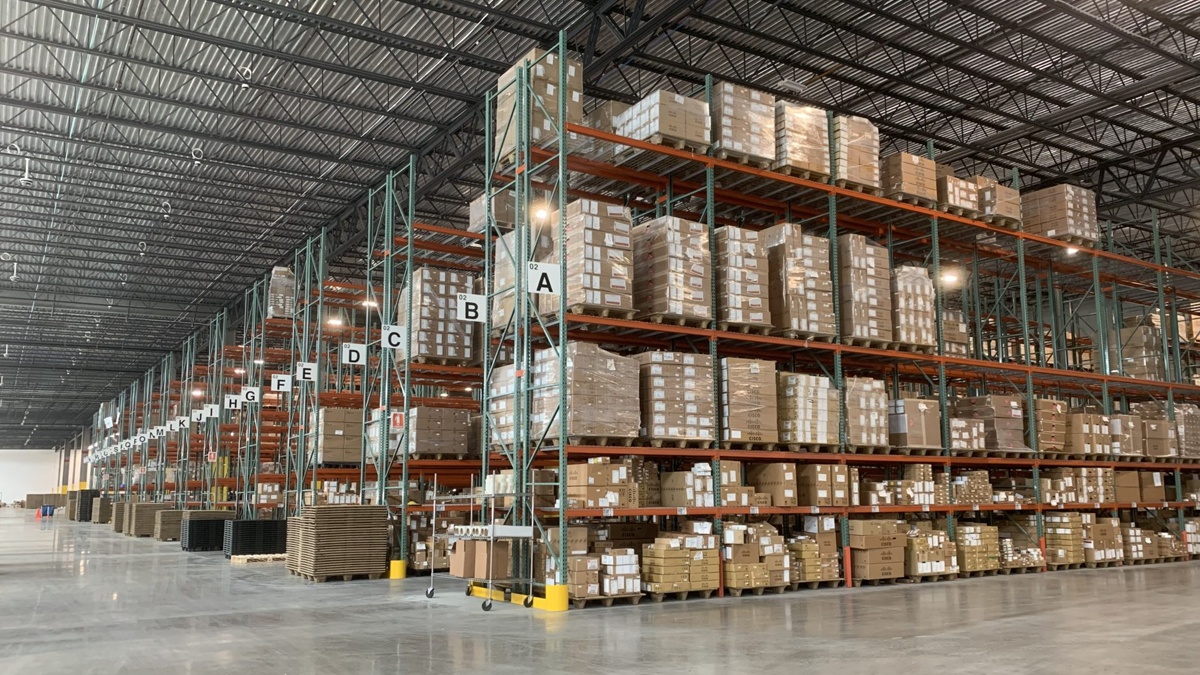
DOF Ground warehouses give freight a place to transfer, to wait, or to be split. Transloading moves product from an import container into a domestic trailer or a rail container. Cross-docking moves it from an inbound truck to an outbound truck with little or no storage. Storage is for freight that has to sit until an order or a production schedule calls for it.
The buildings sit where port, rail, and highway freight already meet, so a container can come off a ship or a train and leave by truckload or LTL without an extra city in the route.
How shippers use them
- Import transload. Empty the ocean box, then build outbound trailers for the inland destination.
- Cross-dock. Keep freight moving when you do not want to pay for days of storage.
- Short-term storage. Hold inventory for a surge, a late appointment, or a customer order.
- Consolidation. Combine smaller pickups into a fuller trailer before the long haul.
Dry freight is the core. Temperature-controlled transload and cross-dock are available when the freight has to hold a range while it transfers. Quote the truck portion in Pioneer AI when it is LTL, intermodal, or drayage, and use the contact form for the warehouse work.
Warehouse locations

- Chicago, IL
- Miami, FL
- Los Angeles, CA
- Elizabeth, NJ
- Houston, TX
- Dallas, TX
- Jacksonville, FL
- Tampa, FL
- Nashville, TN
Transload
An ocean container in, domestic trailers or a rail box out. Temperature-controlled transload is available when the product cannot sit in a dry box during the transfer.
Cross-dock
Inbound to outbound, for freight that should not sit. Temperature-controlled cross-dock follows the same path when the range has to hold.